That Familiar Voice in the Ad Might Be a License, Not a Person
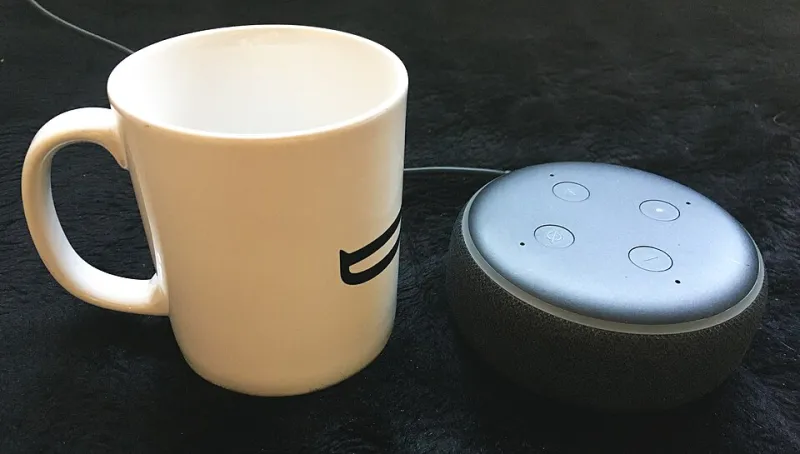
Photo: Pittigrilli, CC BY-SA 4.0, via Wikimedia Commons
You hear a creator's voice in an ad for a budgeting app or a canned coffee. The cadence is right. The little laugh is right. The pause before the punchline is right. But the creator never stepped into a studio. In 2026, that voice may be a licensed clone, a synthetic read, or an AI model trained on years of public uploads.
The technology is not the shock anymore. The shock is how normal it is becoming. Voice replication is moving from a demo reel trick to a line item in advertising contracts. And US audiences are only starting to notice how little disclosure comes with it.
The ad read is now a file
A few years ago, a brand that wanted a creator's voice had to book the creator. Now it can license a synthetic version and generate reads on demand. The creator may approve the deal, cash the check, and never hear the final spot. Or the creator may not be involved at all, depending on what the contract says and what the platform allows.
For brands, the appeal is obvious. A familiar voice can make a product feel recommended. Synthetic audio is cheaper than a shoot, easier to localize, and simple to tweak for different audiences. For creators, licensing a voice can be a smart way to earn without filming. It can also be a way to lose control of the one asset that made them sound like themselves.
The legal gray areas are not small
The rules are a patchwork. Right of publicity laws vary by state, and not every state treats voice the same way. Contracts may cover a single campaign or quietly grant broad usage across categories. Union rules and platform policies add another layer. Federal advertising rules require disclosures for material connections, but they were not written for a world where a creator's voice can be generated without the creator in the room.
That leaves audiences with a familiar voice and no clear answer to a basic question: did the person I trust actually say this?
Trust is the product
Creators sell proximity. The audience feels like they know the person behind the voice, even if that feeling is built on edited videos and parasocial math. A cloned voice borrows that proximity without the creator being present. If the ad is harmless, the audience may not care. If the product is bad, or the voice says something off-brand, the creator's reputation takes the hit.
The uncomfortable part is that the creator may not even know what the clone said. A synthetic voice can be approved for one script and then reused for another. It can be edited into a sentence the creator would never say. The more familiar the voice, the more damage a bad read can do.
Who should disclose?
The honest answer is everyone in the chain, but the practical answer is that disclosure needs a clear owner. The brand knows it is using a synthetic read. The AI vendor knows. The creator licensing the voice knows. The platform hosting the ad may know. If each one assumes someone else is handling the label, the audience gets nothing.
My view: if a synthetic voice is used in an ad, the ad should say so in plain language. Not buried in a terms page. Not hidden behind a tiny icon. A simple on-screen note or audio tag is not going to ruin the magic. It might actually protect the creator's credibility.
Consent matters too. A voice license should have limits: which categories, which platforms, how long, and whether the model can be retrained. Creators should be able to revoke use when a deal goes sideways. Brands should not be able to buy a permanent synthetic version of a person for the price of a single campaign.
The gold rush will produce lawsuits
Every new ad format goes through a messy phase. Influencer marketing did. Native advertising did. AI voice will too. The winners will be the companies that treat consent and disclosure as part of the product, not as paperwork. The losers will be the ones that wait for a state attorney general or a very public backlash to explain the rules to them.
Audiences can handle synthetic voices. What they cannot handle is finding out later that the voice they trusted was never in the room. In 2026, the creator economy is about to learn the same lesson that every advertising medium eventually learns: trust is finite, and fine print is not a strategy.