Nine Creator Brands That Earned Their Hype (And What Almost Broke Them)
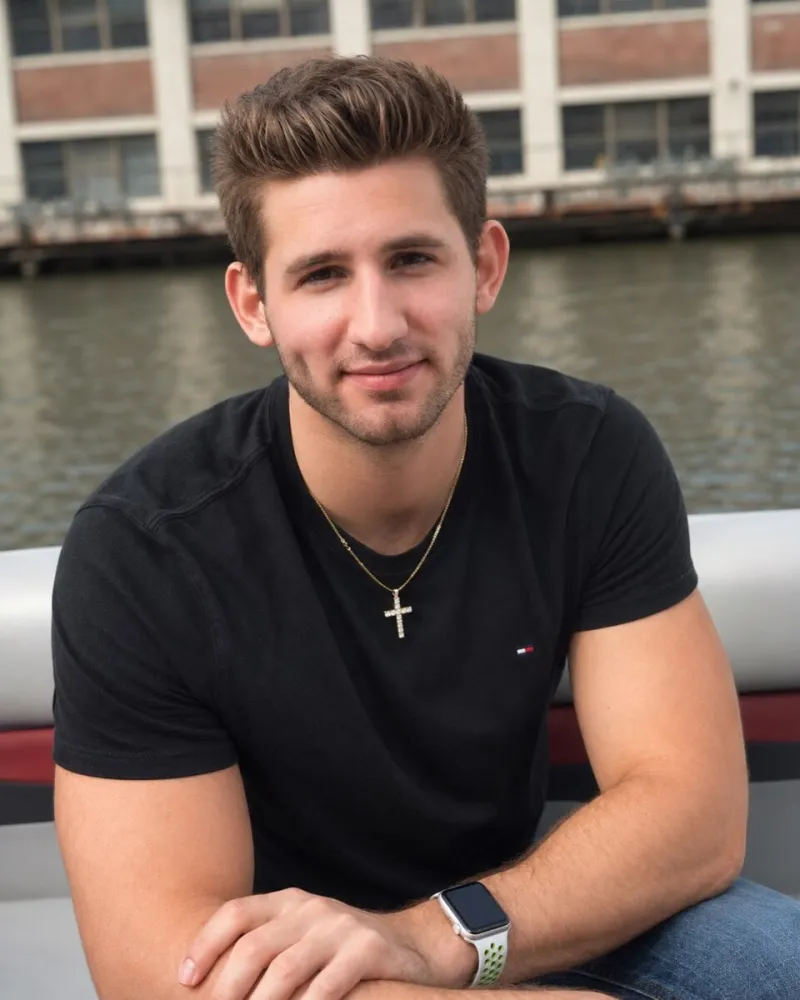
Photo: NorthStarJoshL26, CC BY-SA 4.0, via Wikimedia Commons
The authenticity reckoning did not kill creator brands. It sorted them. In 2026, US shoppers are still happy to buy from a familiar face, but they are not handing over their money just because someone has a ring light and a discount code. The brands that survived have one thing in common: they stopped acting like a content side quest and started acting like a business.
These are not perfect companies. Each one has had a near-miss, a wobble, or a moment when the internet could have turned. That is the point. The playbook is not about avoiding every mistake. It is about building enough product credibility that one bad week does not sink the whole ship.
The Nine
1. Chamberlain Coffee
Emma Chamberlain's coffee label got the first thing right: the product had to taste good to people who are not already fans. The brand leaned into cute packaging and a lifestyle mood, but it also built a subscription model and a steady retail presence. The near-miss was becoming a merch company with beans attached. The lesson for 2026 is simple: a creator can sell a vibe, but the vibe needs a repeat purchase behind it.
2. Feastables
MrBeast's snack brand survived the obvious skepticism by treating the chocolate bar as a real product, not a YouTube prop. The packaging is loud, the flavors are aimed at kids and teens, and the distribution has moved well beyond a single online drop. The risk was being seen as a stunt before the reviews caught up. What worked was scale plus a clear promise: it is a snack, not a mystery box.
3. Prime Hydration
Logan Paul and KSI's drink brand is the clearest example of hype done right and hype done dangerously. The launch was a cultural moment, with lines outside stores and a resale market that looked like a sneaker drop. The near-miss was becoming dependent on scarcity and controversy. In 2026, the brand's survival depends on shelf space, flavor innovation, and the boring work of supply chain. The lesson: virality can open the door, but logistics keeps it open.
4. Summer Fridays
Marianna Hewitt and Lauren Ireland built a beauty brand that feels like a Sunday morning, not a hard sell. The products are simple, the packaging is clean, and the community was built through education rather than constant launches. The risk was getting lost in a crowded skincare market. The brand stayed focused on a few hero products and let the audience become the sales force. That is still the playbook for 2026.
5. Rare Beauty
Selena Gomez's makeup line has the advantage of a founder with genuine reach, but the brand did not coast on that. It built a message around self-acceptance and mental health, then backed it with products that people actually repurchase. The near-miss was sounding like a cause with a lipstick attached. The brand avoided that by keeping the community work consistent and the product reviews strong. Lesson: purpose sells, but only when the product does its job.
6. Kylie Cosmetics
Kylie Jenner's beauty brand is a veteran of the creator-to-consumer era. It survived the authenticity reckoning by growing up. The early drops were pure scarcity and hype; the 2026 version is more about retail partnerships, routine launches, and a wider product range. The risk was staying stuck in the Lip Kit era. The lesson is that a creator brand can age, but it has to give the audience a reason to stay beyond the first viral moment.
7. Skims
Kim Kardashian's shapewear and loungewear brand turned reality-TV fame into a product people wear under actual clothes. The fit range, the neutral palette, and the constant restocks did the heavy lifting. The near-miss was being dismissed as celebrity vanity. Skims avoided that by solving a real wardrobe problem and making the sizing conversation part of the pitch. Lesson: the best creator brand makes the fame feel secondary to the function.
8. Good American
Khloe Kardashian's denim brand built its reputation on fit and inclusivity, not just a famous name. The brand made sizing a headline, then backed it up with a range that actually worked for different body types. The risk was looking like a marketing slogan rather than a clothing company. Good American survived by keeping the fit story specific and the product available beyond a single drop. Lesson: if you promise inclusion, the product has to prove it in the dressing room.
9. Tone It Up
Katrina Scott and Karena Dawn's fitness brand started as a community before it became a product line. That order matters. The workouts, meal plans, and live events came first; the supplements and apparel followed. The near-miss was the wellness space's tendency to overpromise. Tone It Up stayed afloat by keeping the tone practical and the community active. Lesson: in fitness, trust is the product. The merch is just the receipt.
What the Survivors Have in Common
None of these brands are bulletproof. In 2026, a single bad launch can still travel faster than a good review. But the survivors share a few habits. They treat the product as the main character. They keep the founder visible without making every post a commercial. They build a community that can survive a quiet month. And they know when to stop chasing the trend and start acting like a real company.
That is the authenticity reckoning in one sentence: fans will forgive a creator for selling something. They will not forgive a creator for selling nothing but themselves. The brands that made it to 2026 figured that out before the internet made the decision for them.