The Unpolished Premium: What 'Effortless' Creator Content Really Costs in 2026
Photo: Karoly Grosz, Public domain, via Wikimedia Commons
In 2026, the most expensive thing on a creator set can be the part that looks like nothing at all. A five-second shot of someone opening a fridge in a hoodie may require a rented house with the right kitchen, a lighting tech bouncing sun through diffusion, and an editor paid to leave in the awkward pause. The result reads as casual. The invoice does not.
Welcome to the unpolished premium. The look is loose, the business is tight, and the gap between the two is where a lot of creators are currently getting squeezed.
The set that looks like your apartment
The modern authenticity set is not a soundstage with fake walls. It is a real location dressed to feel un-designed. Producers hunt for apartments with the right amount of lived-in clutter: a Brooklyn brownstone with scuffed floors, an Austin bungalow with a beat-up kitchen table, a Los Angeles rental with a lemon tree and a landlord who does not ask questions.
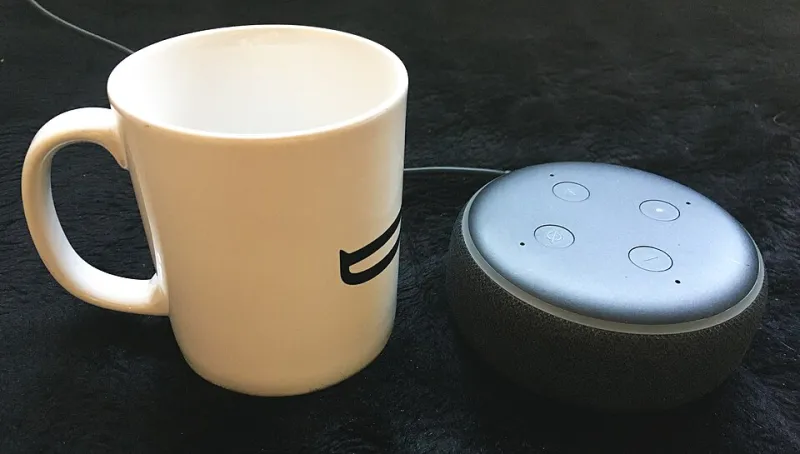
Then the art department gets to work making it look like nobody worked. Props are chosen to feel personal but not branded. Books are arranged to suggest taste without suggesting a sponsorship. A half-dead plant may be a paid rental. A ceramic mug may cost more than the camera lens because it has the right handmade imperfection.
None of this is new in advertising. What is new is how much of it has moved into creator content that is supposed to feel outside advertising. Brands now ask for the set, the wardrobe, and the mood to feel like a Tuesday, not a campaign. That request comes with a budget, whether or not the creator sees it.
Natural light is a budget line
The phrase natural light has done a lot of unpaid labor in creator marketing. Real sunlight is free. Making it reliable is not.
A shoot that depends on window light needs the right window, the right time of day, and a backup plan for clouds. That means location scouts, flexible schedules, blackout curtains, bounce boards, diffusion frames, and someone who knows how to color-match a room across three camera angles. In a rental, it also means insurance and a crew that can move fast before the neighbors complain.
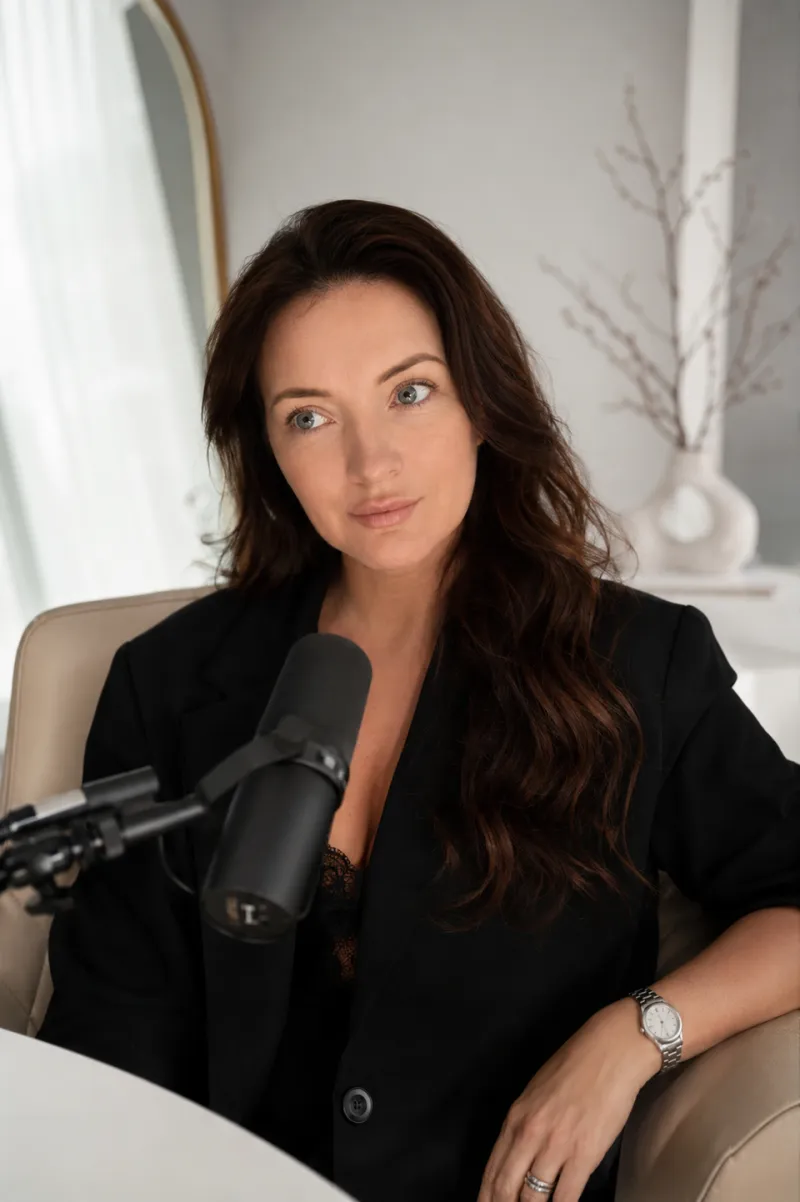
The casual look also hides sound costs. A room that feels warm and lived-in often sounds like a echo chamber. Creators who want the vibe without the hollow audio end up treating walls, hiding microphones, and paying editors to clean up the rest.
The editor who makes it feel unedited
Here is the paradox at the center of the unpolished premium: imperfection takes time. A jump cut that feels spontaneous may be the fifth version. A caption with a typo that reads as funny may have been tested. A zoom that feels accidental may be timed to the frame.
Editors describe a growing category of work they call vibe editing. The goal is not to hide the edit completely. It is to leave in the right kind of mess. Too clean and the clip feels like an ad. Too messy and the brand gets nervous. The sweet spot is a very specific kind of almost-sloppy.
That work is not cheaper because it looks rough. It can be more expensive, because the editor is not just cutting footage. They are reverse-engineering a feeling.
Why brands keep buying the non-ad
Ad fatigue is real, and audiences have gotten good at spotting the moment a creator shifts into sales mode. A polished studio spot can feel like a tax. A slightly rumpled kitchen clip can feel like a tip from a friend. Brands are not wrong to chase that feeling. They are wrong to pretend it is free.
The premium is not only for aesthetics. It is for proximity to trust. A creator who seems to be showing you their actual life is lending the brand something harder to buy than reach: the sense that the recommendation was not scripted. Even when it was.
The vibe tax
Small and mid-sized creators often absorb the cost of this aesthetic without naming it. They buy the props, rent the location, hire the editor, and reshoot the hook because the brand wanted it to feel less produced. The retainer may cover the deliverable. It rarely covers the infrastructure behind the vibe.
That is the quiet squeeze inside the authenticity boom. The biggest creators can build the fake-casual set once and amortize it across a dozen campaigns. Everyone else is paying retail for the look of effortlessness.
What changes when creators name the cost
The smarter deals in 2026 are starting to include line items that would have sounded absurd a few years ago: set dressing, natural-light scheduling, casual wardrobe, reshoot allowance, and a separate budget for the edit that makes the edit disappear. Some creators are also negotiating usage terms that reflect how much of their personal space and style is being licensed.
The aesthetic is not going away. Audiences still want content that feels human, and brands still want the halo of that humanity. But the industry is due for a small honesty correction. If the goal is to look like nothing was produced, someone should still pay for the production.
Effortless is a look. In 2026, it is also a cost center. The creators who survive the trend will be the ones who stop pretending otherwise.